
Middle East
15 - 25 participants
2 - 3 week program
Sample Itinerary
The Israeli-Palestinian conflict and peace process has galvanized communities across the world for decades, becoming a linchpin of domestic policy not only in the Middle East but also in the U.S. and in other countries around the globe.
The CIEL Middle East Program is designed to offer participants an immersive understanding of the Israeli-Palestinian conflict and peace process.
By exposing participants to the myriads of overlapping narratives, introducing them to various actors, and observing the impact of societal and legal norms, the program seeks to inspire deeper and more nuanced understanding necessary to address the challenges in the region. Furthermore, participants will learn about the influence and role of regional and global players, international law, and the law of occupation.
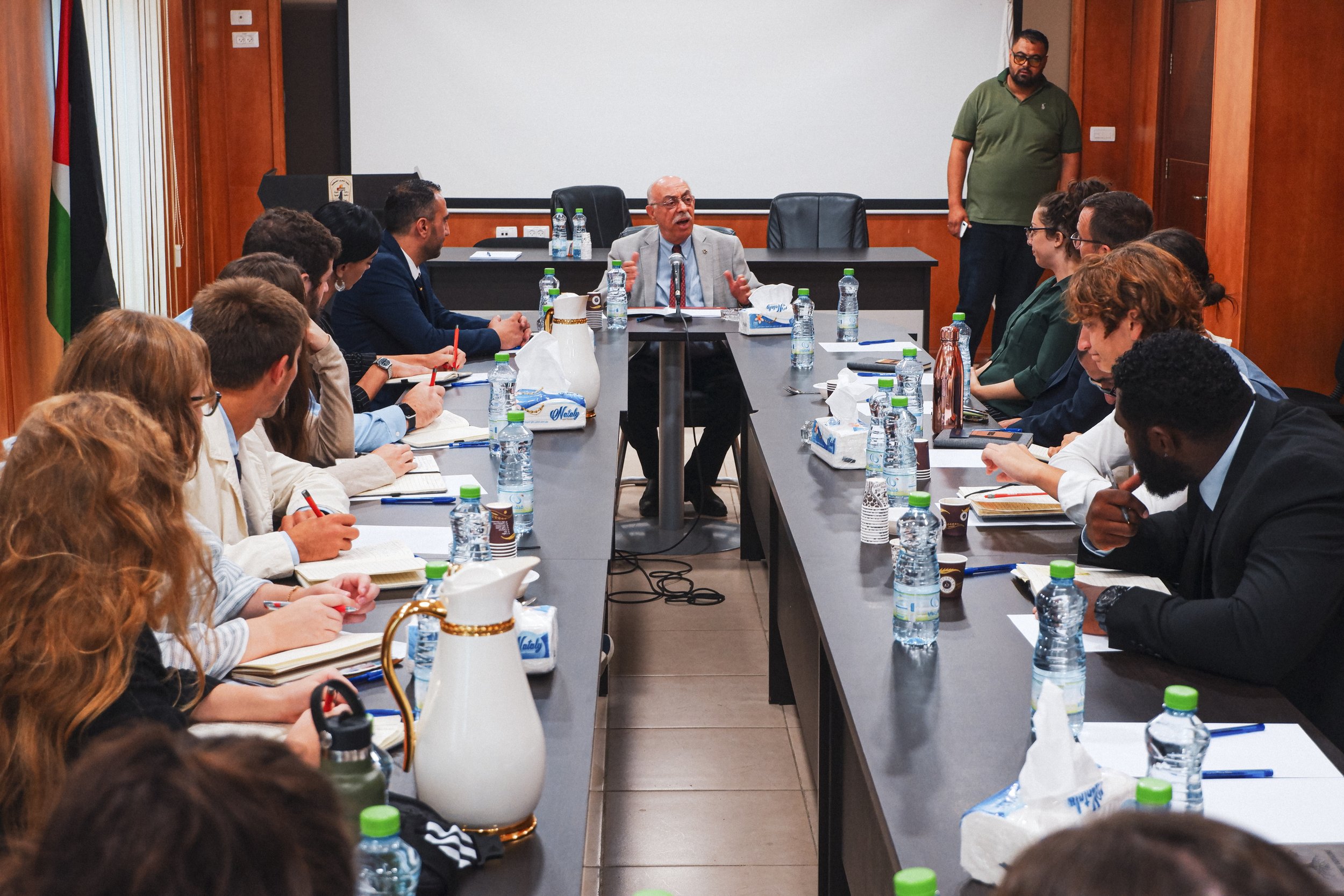
The CIEL Middle East Program itinerary includes a preparatory online course that covers the historical, cultural, and political context of the region. The travel includes Jordan, Israel, and the West Bank (Palestine), where students are exposed to the lived reality in the region. They engage directly with a broad spectrum of voices, including politicians, community leaders, NGOs, refugees, faith leaders, academics, and victims.